01
Player-verb mapping
Identify what the audience must feel—pressure, pursuit, exposure, momentum, precision—and convert that player intent into visible screen action.
 Game-to-screen action unitSend the brief
TacCine / Tactical Cinematics
Game-to-screen tactical cinematics. Powered by WarpCam®.TacCine translates military FPS intensity into controlled live action. The camera moves with the unit—through confined interiors, vehicles, aircraft, ships and physical transitions that conventional cinema rigs cannot follow in the same way.
Tac-Cine on Instagram@tac.cineFollow ↗Military FPS · licensed IP · original screen language
Built for rights holders, studios and producers.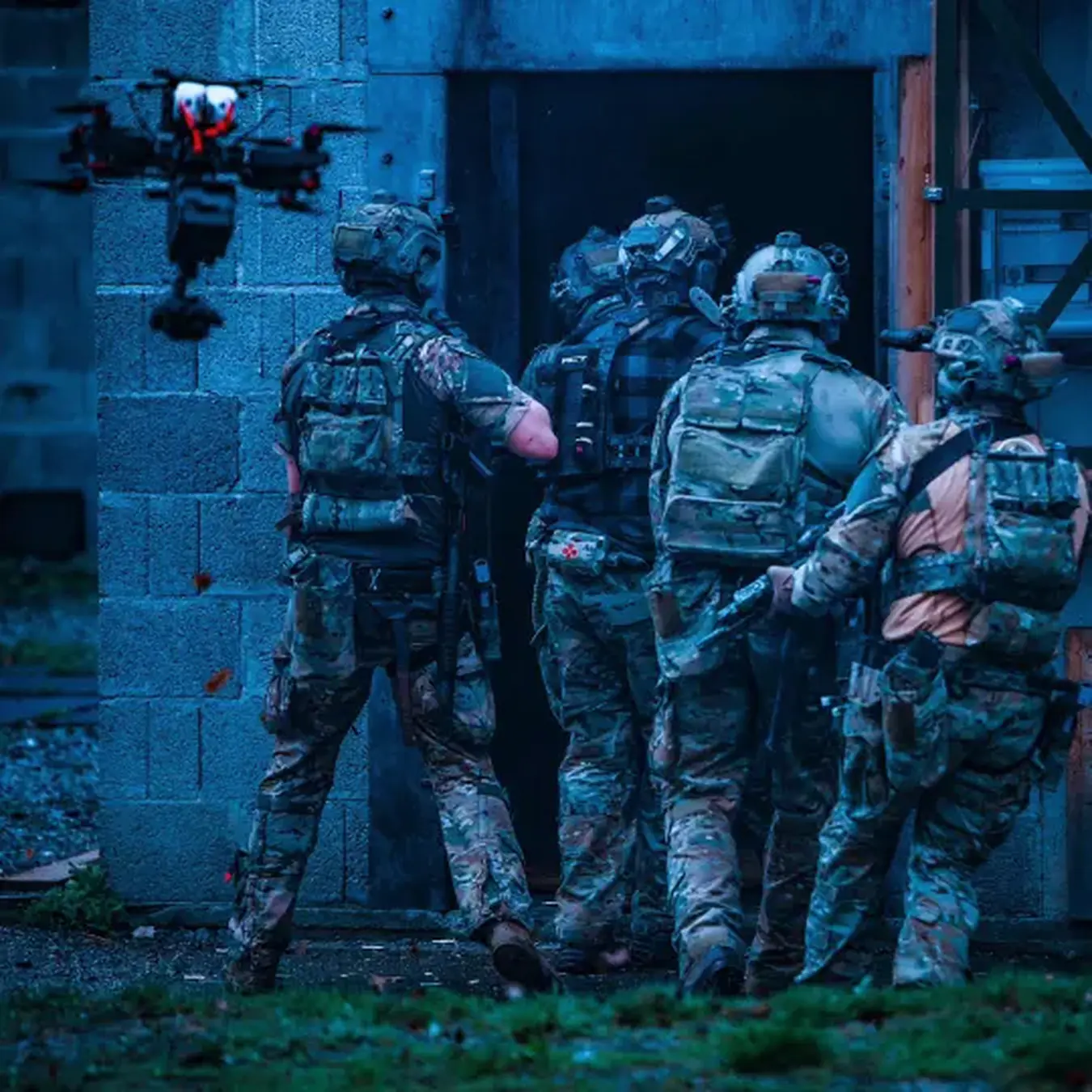
Current TacCine field transmissions connect tactical movement, game-to-screen camera language and the WarpCam® capture system.
Follow @tac.cine for current visual updates.
Follow @tac.cineThe adaptation problem
A first-person shooter works because the player reads space, anticipates pressure, commits to movement and feels the result of each decision.
Live action loses that energy when it copies the equipment and wardrobe but drops the viewpoint, tempo and cause-and-effect. TacCine starts with the audience experience, then rebuilds it for performance, physics, lenses and the edit.
From game language to screen grammar
TacCine is built around the handoffs that usually break: story to movement, movement to camera, camera to safety, safety to schedule and footage to edit.
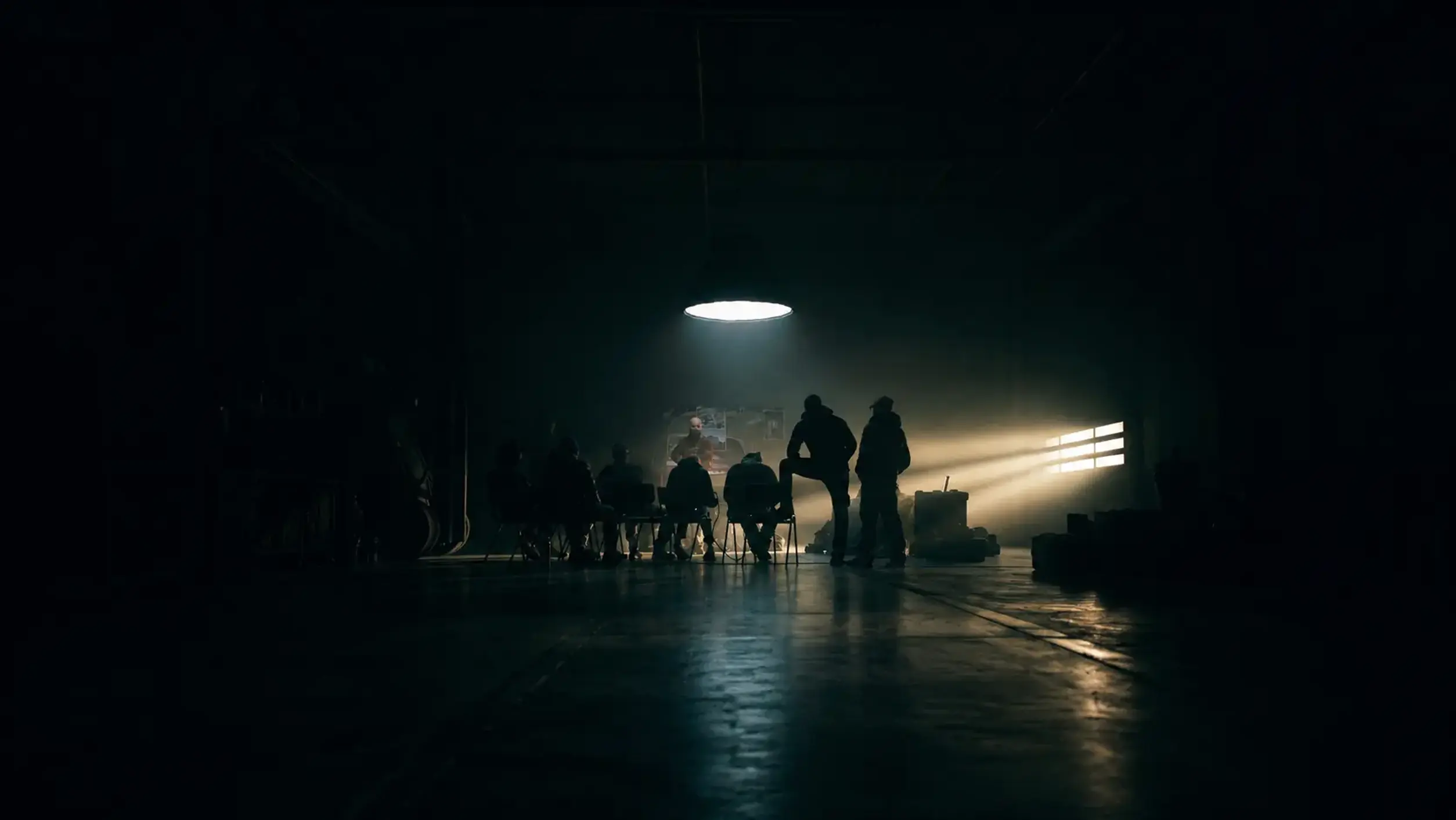
Identify what the audience must feel—pressure, pursuit, exposure, momentum, precision—and convert that player intent into visible screen action.
Build the sequence around decisions, reversals and consequences so every tactical beat advances character and story, not just spectacle.
Prepare actors, stunt performers and approved specialists around one readable movement language, with rehearsal and safety designed in from the start.
Move deliberately between first-person intimacy, third-person geography and cinematic overview without losing orientation or physical impact.
Resolve lens position, timing, vehicles, specialty platforms, edit points and reset logic before production time becomes expensive.
Keep stunt control, legal limits, client approvals, sensitive procedures and restricted information inside the production framework—not in public content.
The camera becomes the player proxy
Lens proximity, acceleration and restricted information put the audience inside a decision without turning the shot into a gimmick.
Entrances, exits, eyelines and objectives stay readable so the action keeps the spatial logic players expect.
Hero composition, scale, physical impact and editorial rhythm make the sequence belong to film—not a screen recording.
Powered by WarpCam®
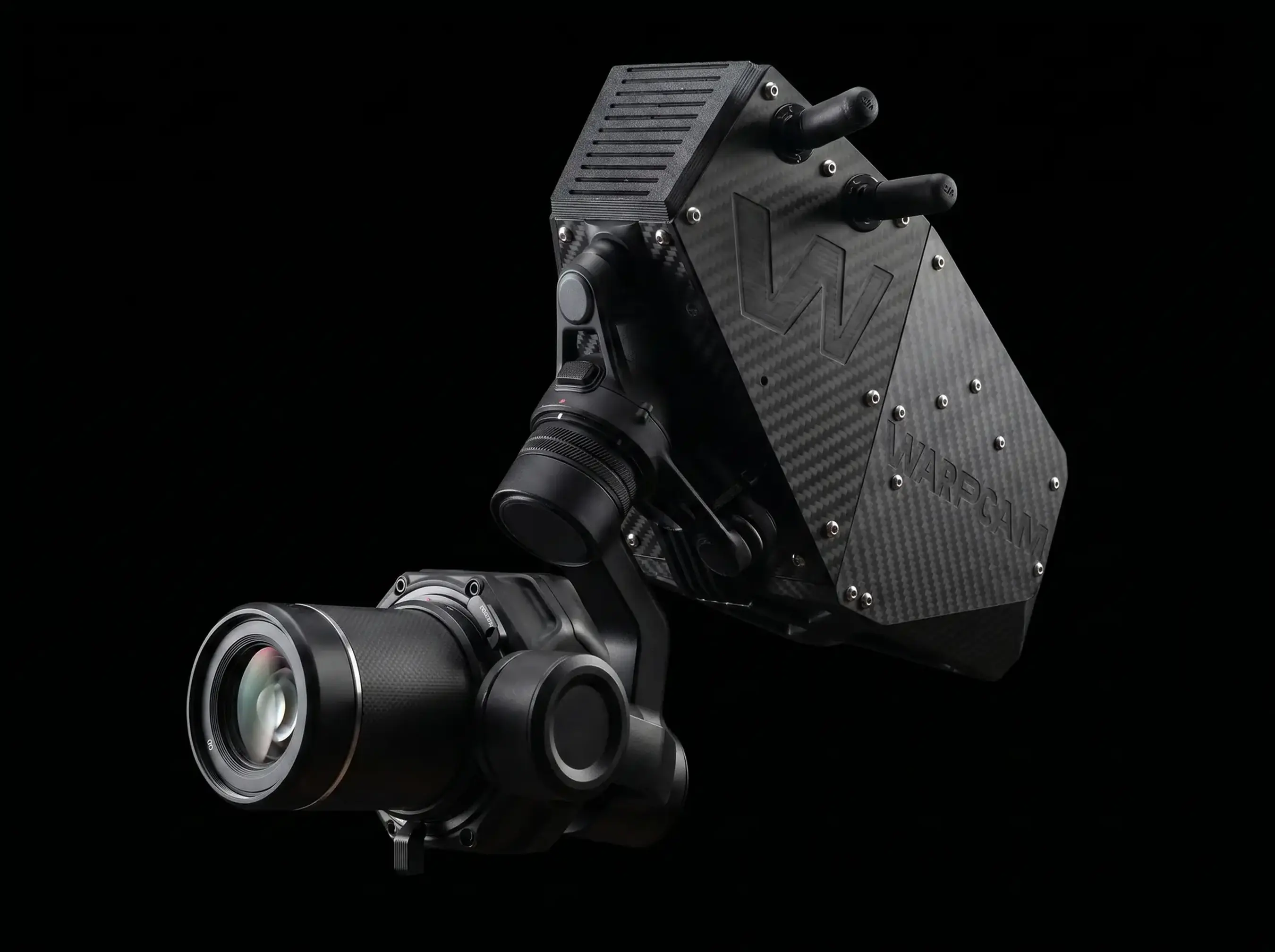
TacCine's close-quarter camera language is powered by WarpCam®: a stabilized sensor-and-lens head separated from the camera body, built to move through tight environments and stay physically close to the action.
WarpCam® is the physical capture engine behind TacCine. It connects the movement language designed in rehearsal with the camera path executed on set—from compact interiors and vehicle transitions to close-proximity action and multi-unit coverage. TacCine does not add the camera after the tactical sequence is built. The movement, the lens and the operator route are designed together.
WarpCam® is not limited to inserts, witness angles or behind-the-scenes coverage. For selected action sequences and hero shots, the system can operate as a principal capture camera—carrying sequence-defining movement when the physical camera path cannot be separated from the performance.
Its value is not measured by how small the rig looks. It is measured by whether the shot can carry story, performance, geography and impact at the same level as the rest of the production.
Selected WarpCam® action coverage across the Prague unit work.
WarpCam® and specialty-camera coverage on selected Rome action sequences.
Selected WarpCam® action coverage on action sequences.
Individual operating credits; not TacCine company credits. Title references do not imply rights-holder affiliation.
“The lens does not watch the unit from outside. It travels inside the movement.”
Tactical action frequently takes place in spaces that work against a conventional stabilized cinema package: aircraft cabins, vehicle interiors, train carriages, ship passageways, submarine compartments, container lanes, narrow corridors, ladders, hatches and rapid transitions between inside and outside.
WarpCam® is built around that access problem. Its compact stabilized camera architecture, remote-control workflow and physically trained operating method allow the lens to move close to actors, stunt performers and tactical teams while the sequence remains organised around safety, screen geography and the final cut.
The advantage is not small size alone. A small action camera may fit into the space, but access by itself does not provide the same lens control, repeatability, remote operation, choreography integration or cinema-oriented workflow. A conventional cinema system may provide the image pipeline but become the physical obstacle inside the movement.
WarpCam® is designed to reduce that compromise: compact physical access combined with an operated cinema workflow.
Extremely compact and useful for simple POV capture, but not automatically built around interchangeable cinema lenses, remote framing, repeatable choreography, dual-operator control or an integrated action-unit workflow.
Full cinema control and professional image quality, but the complete rig may become too large, heavy or spatially restrictive for seat rows, ladders, vehicle interiors, tight corridors and rapid physical transitions.
Compact stabilized camera access, cinema-oriented lens and image control, remote operation, action-trained physical operators and a workflow designed around performance, safety and editorial continuity.
Move above seatbacks, between rows, through narrow aisles, across cargo areas and toward door transitions where a conventional two-handed stabilized package may not have enough room to turn or reset.
SEATBACK → AISLE → DOOR → EXTERIORSupport controlled camera paths inside helicopter cabins, close to doors and during approved rope-supported or vertical sequences where camera size, operator balance and physical clearance become critical.
CABIN → DOOR → ROPE PATH → GROUNDTravel from floor level through the cabin, between seats, across dashboards, toward side windows and through vehicle-to-foot transitions as one continuous action idea.
FLOOR → CABIN → WINDOW → STREETFollow action through seat rows, carriage aisles, connecting doors, stairways and platforms where performers, extras and camera all compete for the same narrow physical route.
SEAT ROW → AISLE → CARRIAGE DOOR → PLATFORMWork inside approved ship interiors, narrow passageways, compact compartments, ladders, watertight-door environments and submarine-style sets where every centimetre of camera clearance changes the shot.
COMPARTMENT → HATCH → LADDER → DECKMove through container lanes, loading spaces, industrial corridors, narrow gaps and vehicle-access zones while maintaining proximity, screen direction and a readable path through the environment.
LANE → GAP → VEHICLE → OPEN GROUNDWarpCam® is not placed into the sequence after the physical movement has already been designed. Camera path, performer path and operator path are developed together.
The physical operator rehearses the environment: clearances, height changes, thresholds, vehicle exits, seat rows, corners, windows, ladders, handovers and reset routes. The framing operator maintains the image, horizon, composition and camera control remotely.
That dual-operator split matters most when the camera is travelling through confined or physically demanding spaces. The person carrying the system can concentrate on body position, balance, timing and the environment while the second operator protects the frame.
The result is not random documentary pursuit. It is repeatable camera choreography from inside the action.
The WarpCam® ecosystem also includes a HyperWarpCam® high-speed configuration built around the Ember camera platform: up to 4K at 800 frames per second or 5K at 600 frames per second, paired with ZEISS Nano Prime lenses.
These are configuration-specific high-speed modes within the wider WarpCam® ecosystem—not a claim that every WarpCam® setup records every listed format.
Modern tactical games place the audience inside the team. The point of view moves at shoulder height, drops to floor level, passes through vehicles, compresses inside aircraft and corridors, changes direction at thresholds and follows the action without waiting for a conventional camera position.
Live action often loses that intensity because the cinema package is pushed outside the physical route.
TacCine bridges the gap. The game supplies the world, character, environment and intended feeling. Operator-informed movement and stunt design make the physical action executable. WarpCam® translates the subjective camera idea into a path that actors, performers and operators can rehearse, repeat and deliver to the edit.
The goal is not unstable gameplay imitation. The goal is to preserve first-person intensity while giving the audience cinematic geography, performance, impact and continuity.
“First-person intensity. Cinematic control.”
Launch films, franchise campaigns, cinematic teasers and seasonal content that place the viewer inside the world rather than filming costumes and props from outside it.
Translate movement mechanics, squad dynamics, vehicles, environmental pressure and character behaviour into executable live-action beats.
Keep the camera physically close while preserving orientation, eyelines, entrances, exits, impacts, transitions and the ability to cut.
Connect the same movement logic across campaign films, live-action trailers, reference capture, previs, BTS and approved promotional assets.
Compact lens placement for narrow, low and moving spaces.
Close-proximity movement without losing physical clarity.
Camera path, performance, safety and cut logic built together.
Not a collection of vendors
TacCine connects the action department, approved specialists, performers and camera unit before separate workflows create contradictions on set.
Proof in motion
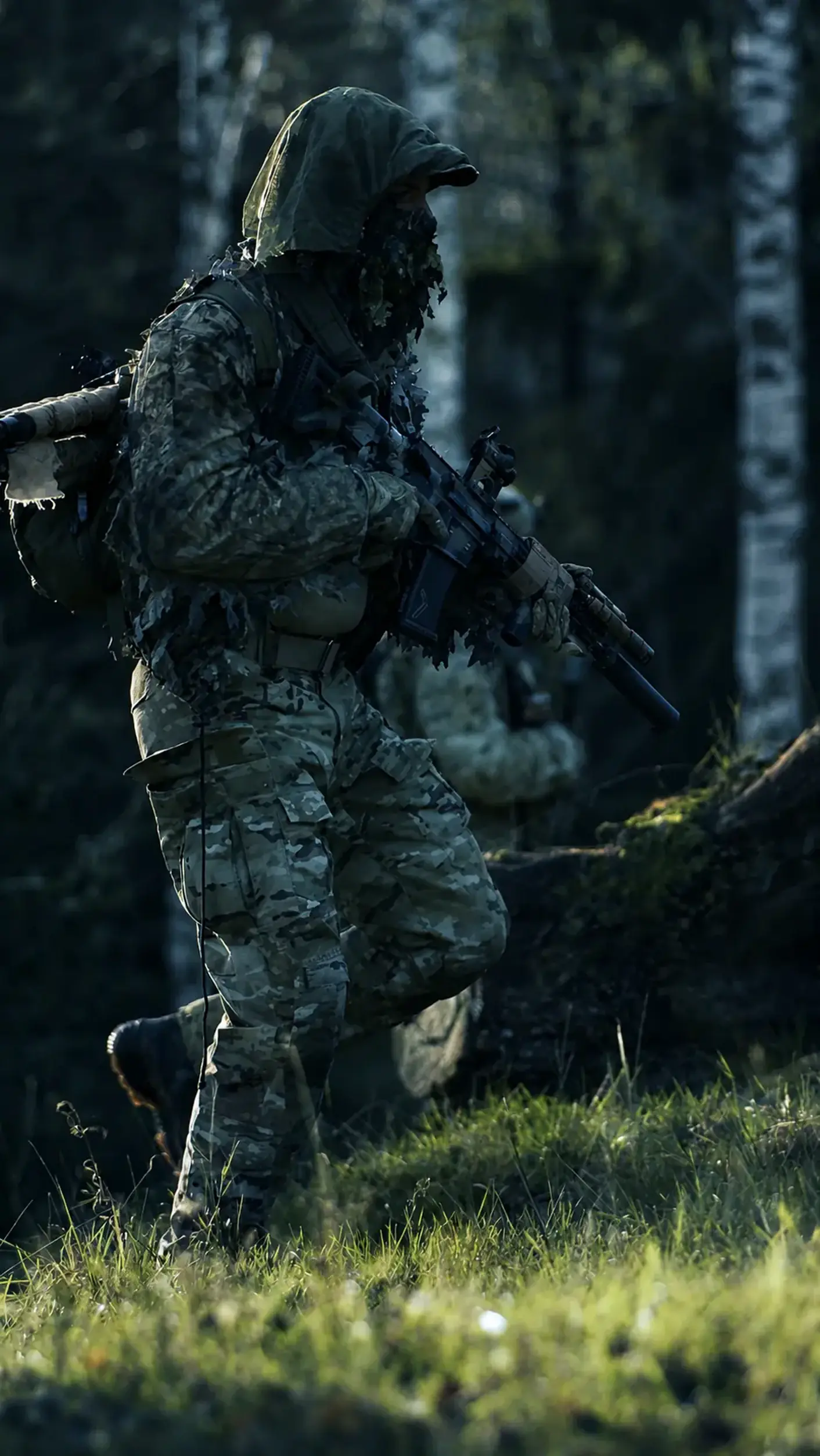
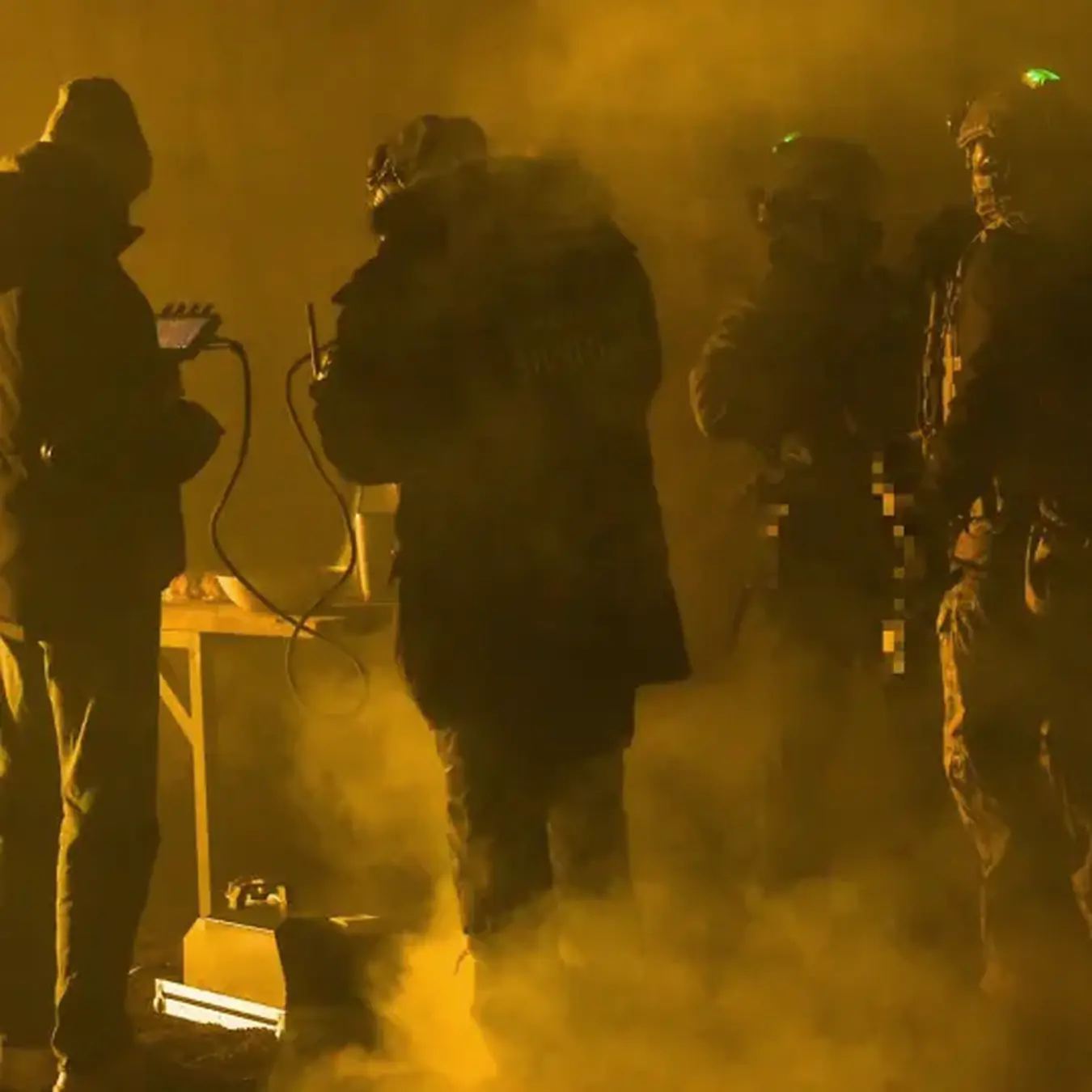
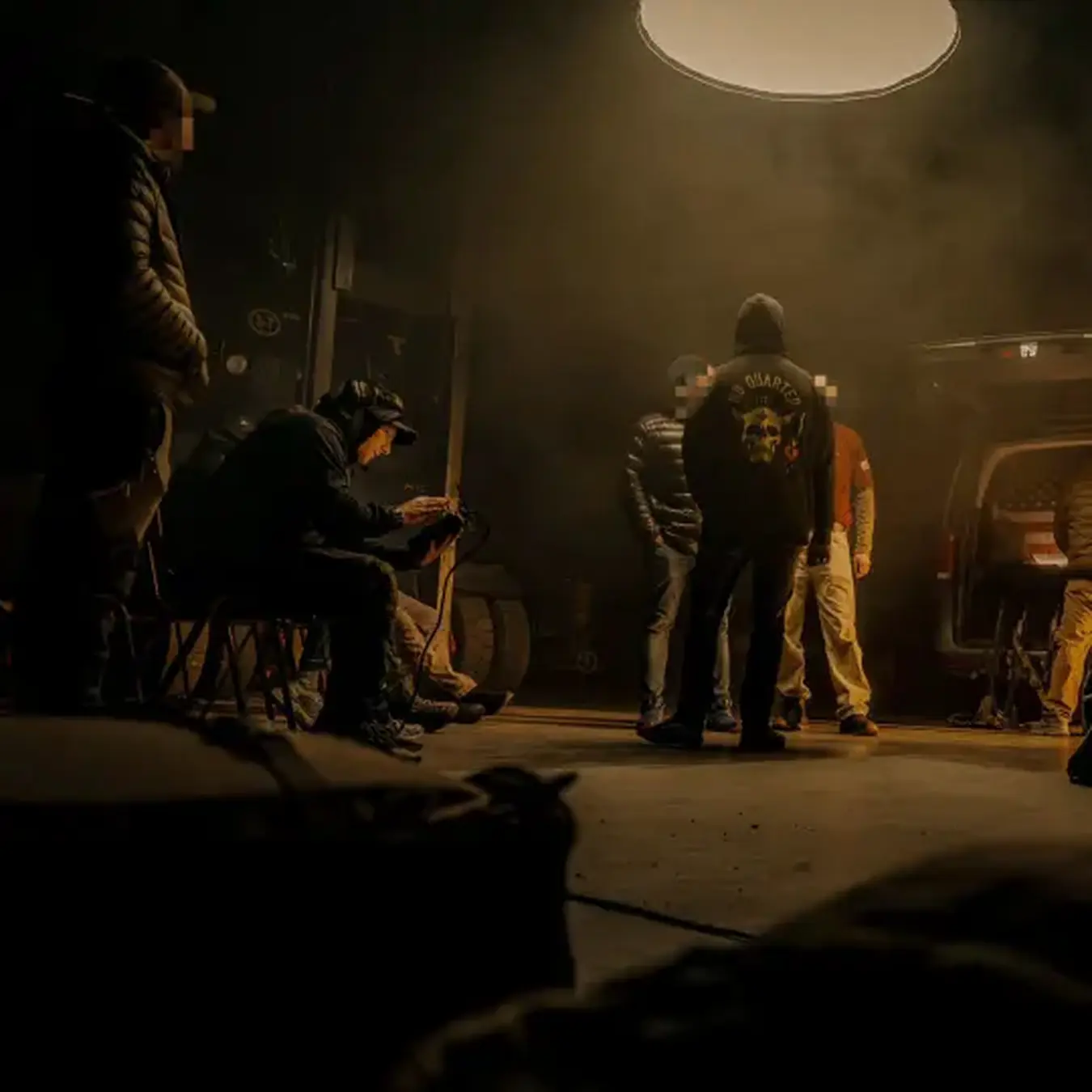
Three compact transmissions from the TacCine field archive. Vertical by design; physical, close and cut for immediate signal.
Close-proximity camera language designed around physical action.
Performance, environment and lens path working as one sequence.
A compact field transmission from the WarpCam® capture system.
Military FPS is a distinct visual grammar. Titles such as Call of Duty, Battlefield, Halo and Medal of Honor are familiar reference points for how audiences read first-person urgency, squad geography, threat direction and scale. TacCine develops original screen language from the licensed project's own IP, story and production limits. These names are trademarks of their respective owners; no affiliation, endorsement, licence or production engagement is claimed.
Enter at any useful stage
The smallest useful engagement is a sequence and feasibility pass. The full engagement carries the same action language through rehearsal, principal photography and post-ready coverage.
Action premise, player-experience map, tone references, feasibility screen and sequence architecture.
Previs, techvis, cast preparation, specialist input, camera-platform map, safety handoff and coverage plan.
Integrated action unit, controlled tactical movement, stunt execution and close-proximity specialty-camera coverage.
Feature or episodic coverage designed for the cut, plus trailer moments, vertical extracts and behind-the-scenes assets where cleared.
Selected individual production experience
Individual credits across the wider team include work on The Gray Man, Fast X, Bad Boys for Life and 21 Bridges. Credits belong to the named people in the exact roles documented on their linked profiles; they are not presented as TacCine company credits.
Review the workRealism without exposure
Screen credibility does not require publishing sensitive procedure. TacCine works inside the production's legal, insurance, safety, clearance and security framework. The camera can feel operational while the process remains controlled.
Producer questions
TacCine is the Tactical Cinematics production unit of SlamArtist.com. For military FPS and video-game adaptations, it connects action direction, stunt-safe execution, approved specialist input, actor preparation and specialty-camera movement in one plan.
TacCine can enter during development, previs, preproduction or principal photography. The focus is the action language: how player intent, spatial logic, performance, practical movement and camera perspective become a coherent live-action sequence.
No. TacCine is cinematic production. Specialist collaboration is project-specific and approval-led. Public-facing work does not expose real unit procedures, restricted methods or step-by-step weapons instruction.
No affiliation is claimed. Those titles are descriptive reference points for the military FPS genre, its visual language and audience expectations. Any production relationship would require a separate formal engagement with the relevant rights holders.
Yes, subject to the production country, schedule, legal framework, insurance, safety plan, specialist availability and client clearance. The operating network connects Stuttgart, Berlin and Los Angeles with project-specific international crews.
The property or sequence, intended format, tone, target rating, production country, shoot window, current script or treatment, known restrictions and the specific audience experience the action must deliver.
WarpCam® combines compact stabilized camera access with remote control, trained physical operation and a cinema-oriented workflow. The system is designed to move close to performers through constrained interiors while preserving repeatability, screen geography and editorial continuity.
A small action camera can fit into tight spaces, but physical access is only one part of the production requirement. WarpCam® is built around lens choice, stabilization, remote framing, dual-operator control, repeatable choreography and integration with the action design.
The system is designed for compact production environments including vehicle interiors, aircraft cabins, train carriages, ship passageways, container spaces and confined architectural locations. Every application remains subject to location, stunt, aviation, maritime, vehicle and safety approval.
TacCine translates the proximity, momentum and subjective intensity of tactical games into a rehearsed physical sequence. WarpCam® gives that idea a repeatable camera path with cinematic framing, performance, geography and edit logic.
Development channel open
Send the world, the sequence, the environment and the movement problem. TacCine maps the physical action and camera path.
For game projects, include the map or environment, character movement, intended point of view and campaign deliverables.
Send the brief

